
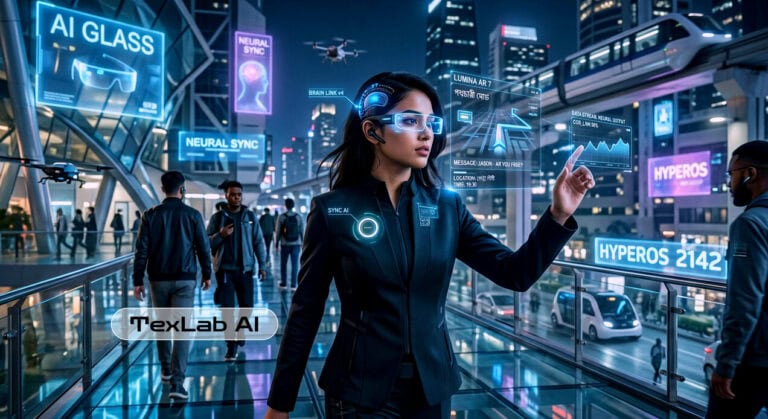
For almost two decades smartphones have reigned as the undisputed centerpiece of our digital life. We communicate find city routes manage financial transactions and enter the world of knowledge of the whole earth using this rectangular piece of glass in our pocket. Thinking about using the internet without this pocket size screen is difficult nowadays.
However when we look toward the future of 2040 a massive transformation is being observed. Artificial Intelligence AI is no longer confined merely within the apps inside phones it is gradually taking the shape of ambient hardware integrated systems merging with the environment around us. This rapid change raises a great question: will AI really replace smartphones completely by 2040?
To deeply understand which direction technology is actually moving in we need to analyze new hardware formats user interface changes human habits and physical limitations of current mobile technology.
The Limitations of Glass Screens
Even though smartphones are an integral part of modern lifestyle they bind the user to specific physical inertia: keeping the head down bending the neck and staring continuously at a small illuminated panel. Manual tasking is required for every single work—selecting icons opening individual applications keyboard inputting and coordinating multiple notifications.
This process creates a kind of barrier in digital interaction. For scheduling a meeting ordering food and sending a message to a colleague the user has to open 3 separate applications and perform the entire sequence manually.
Artificial intelligence is transforming this manual process into intent based computing. Instead of navigating user interface menus the user will simply state their intent and AI will complete the work in the background by coordinating digital services.
Current Smartphone Era (App-Centric):
User ──> Opens App 1 ──> Manual Tap ──> Opens App 2 ──> Manual Input
Future AI Hardware Era (Intent-Centric):
User ──> States Intent ──> Ambient AI System ──> Executes Background Tasks
1. Ambient Hardware: Smart Glasses and Neural Interfaces
If the dominance of smartphones disappears by 2040 what could be its alternative medium? This transformation will not happen overnight rather it will be completed through advancements in spatial computing and audio based AI interfaces.
Augmented Reality (AR) Smart Glasses Ultra lightweight AR glasses hold the greatest potential as the primary alternative to handheld displays. Instead of pulling out a device from a pocket for navigation AR glasses will project digital directions directly before the eyes. Text messages calls and contextual information will be presented directly in the field of view without touching any device.
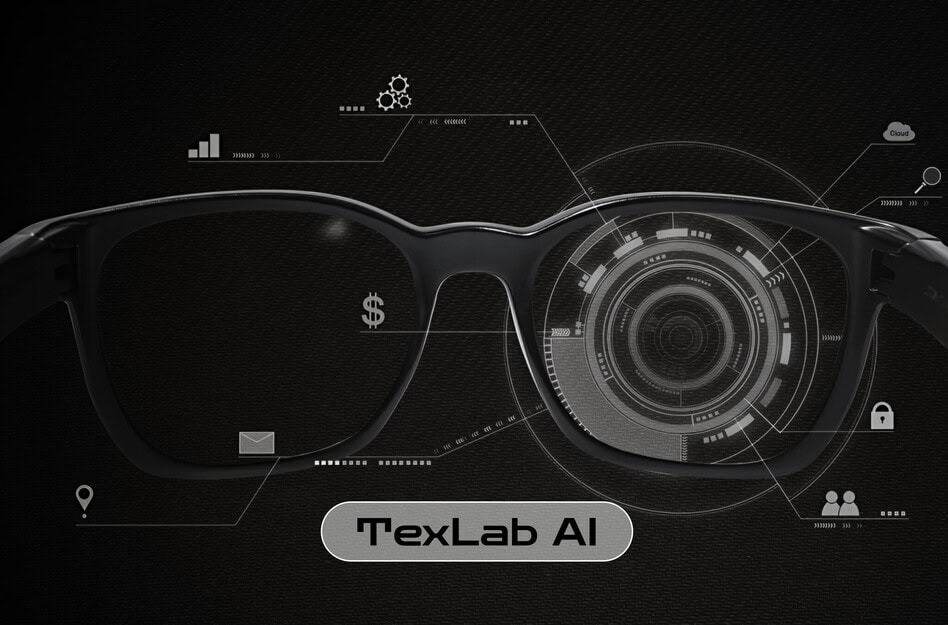
Smart Pin Relays and Audio Wearables Through wearable AI pins smart rings and contextual earbuds users will easily be able to provide input to AI models using natural voice commands hand gestures or slight physical movements. These devices operated without screens rely on bone conduction audio and where necessary ambient projection to complete their work.
2. Brain-Computer Interfaces (BCI) and Haptic Tech
In the far reaching technological vision of 2040 non invasive Brain Computer Interfaces BCI and modern neural sensors can completely change the traditional rules of data input in digital systems.
Researchers are currently developing non invasive wristbands capable of detecting neuromuscular signals of the human nervous system. Without any physical touch or voice input purely through the thought of moving a specific finger or a mental feeling that neural signal can be transformed into a digital command.
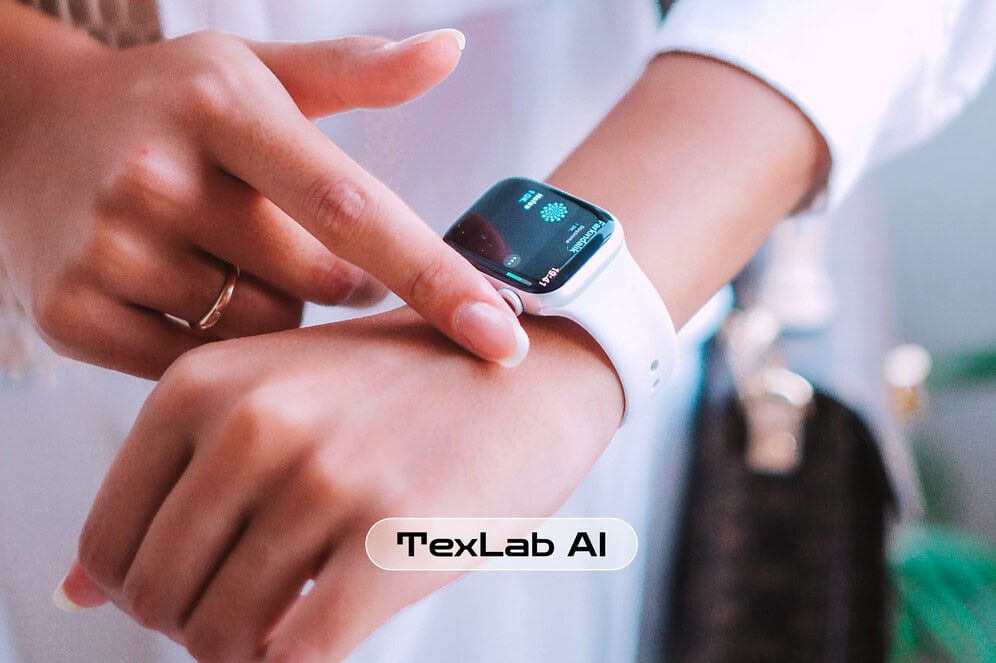
💡 My Observation & Personal Opinion: Recently I had the opportunity to evaluate early generation AI pins and smart audio wearables. Although current hardware has some limitations in battery management and thermal efficiency its core user experience is extremely groundbreaking. Once you get accustomed to executing complex scheduling with an ambient AI assistant without pulling out a traditional smartphone from your pocket suddenly using a heavy glass touch panel feels irrelevant. This hardware technology will reach full maturity at a much faster pace than market analysts predict.
3. The App Ecosystem vs. Unified AI Agents
The main barrier to completely replacing smartphones is not hardware engineering; the real barrier is the hundreds of billions of dollars mobile app economy. Today’s tech giants have built their empires relying on app stores and mobile advertising.
However ordinary users are now suffering from extreme App Fatigue. Downloading dozens of separate apps opening individual accounts and managing subscriptions for small tasks is extremely troublesome and inefficient.
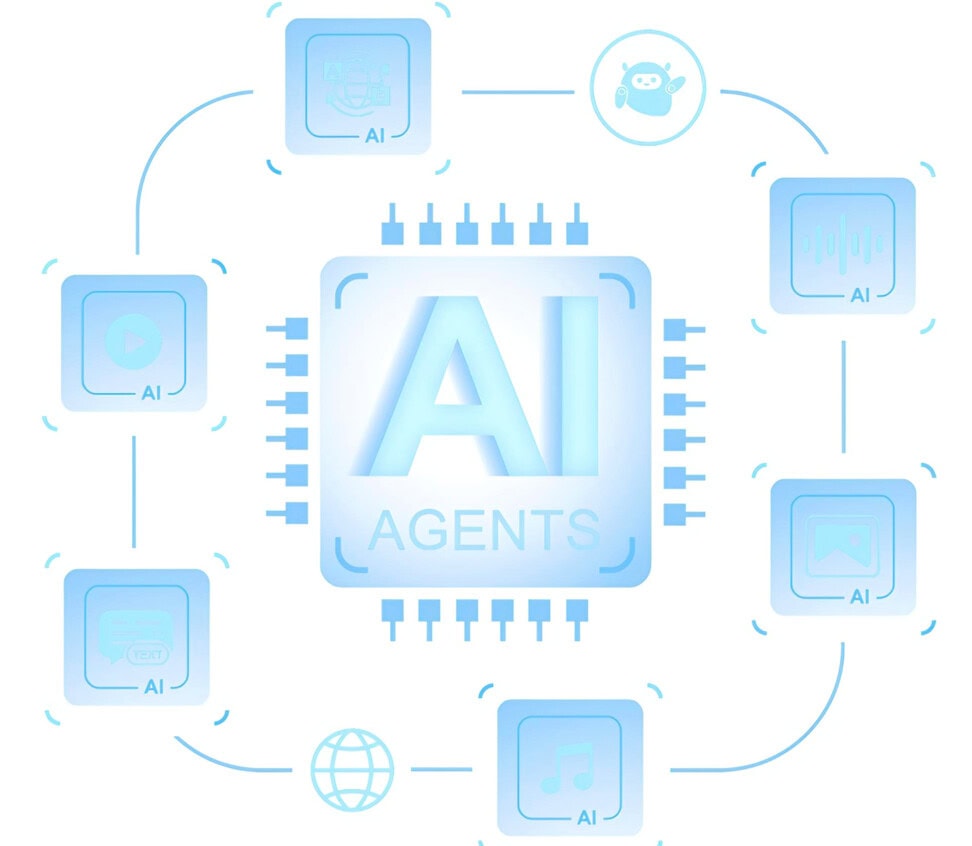
In the AI first era these individual apps will become background APIs and disappear. Your personal AI agent will be the sole interface or central point. Suppose you are planning to travel somewhere—then your AI agent itself using unified protocols will directly communicate with airline systems hotel databases and ride sharing platforms to complete all bookings in a moment!
Structural Comparison: Smartphones Today vs. Ambient AI in 2040
Below is a structural comparison of the expected shift in daily digital interactions over the next decade and a half:
| Computing Element | Modern Smartphone Era (2026) | Ambient AI Era (2040) |
| Primary Interaction | Manual touchscreen interface tapping and keyboard typing | Natural voice micro gestures and brain computer interface |
| Hardware Form Factor | Pocket size rectangular glass panel | Ultra lightweight AR glasses smart rings and wearable pins |
| Software Architecture | App store dependent separate fragmented applications | Unified AI agents operating through background APIs |
| Visual Display | Interface restricted within a 6.7 inch physical panel | Spatial display projected into user surroundings |
| User Attention | Requires high mental and physical connection | Environmentally connected ambient background processing |
The Remaining Obstacles: Battery, Privacy, and Human Habit
Despite rapid technological progress three primary obstacles must be solved before the complete extinction of smartphones:
- Battery Density and Thermal Management: Incorporating high performance processors and transceivers into lightweight eyeglass frames requires groundbreaking progress in solid state battery technology.
- Privacy and Constant Sensor Processing: Devices containing continuous cameras and microphones create complexities regarding public censorship and personal data security.
- Deep Human Habit: Smartphones are deeply intertwined with modern culture and lifestyle. Transitioning from visible tactile displays to spatial interfaces requires a continuous long term shift process.
The Verdict: Will Phones Truly Disappear?
By 2040 smartphones in their current structure will no longer remain the primary centerpiece of personal computing. Although pocket size devices may exist in a different form as a primary processing hub or backup unit physical screens will no longer be considered the primary medium of digital interaction.
Ambient AI spatial AR displays and hands free neural interfaces will create a seamless integration of digital information with the real environment. The smartphone era served as a necessary transitional phase but the future will mostly belong to frictionless and human centric artificial intelligence.
Frequently Asked Questions (FAQ)
Will AI smart glasses cause eye strain if used all day?
Modern micro-LED optical engines and spatial displays project light directly onto the retina in harmony with natural focal distances. This significantly reduces the eye strain caused by looking at bright handheld screens at close distances.
Can wearable AI hardware function without an internet connection?
Next-generation AI hardware utilizes on-device Neural Processing Units (NPUs). Although network connectivity is required for complex cloud processing, basic voice commands, local navigation, and system control activities can be executed offline directly on wearable devices.
What happens to existing mobile apps if smartphones are replaced?
Mobile applications won’t disappear entirely; instead, they will transform into backend service protocols (APIs). Rather than interacting with visual app interfaces, intelligent AI agents will execute tasks and process information directly on behalf of the user.

Faysal Ahmed is the founder of TexLab AI and regularly writes about AI tools, technology, freelancing, and digital productivity. He has hands-on experience testing AI applications and reviewing online tools.