

For most of computing history, interacting with technology has meant physical media: typing on keyboards, moving a mouse, tapping touchscreens, or speaking to voice assistants. As artificial intelligence advances toward spatial computing, physical interfaces may increasingly become a bottleneck for speed and productivity.
To overcome these limits, developers are turning to Brain Computer Interfaces (BCI) technology. But is moving directly from touchscreens to neural interaction realistic, or is a screenless future just hype?
What Exactly Is a Brain-Computer Interface?
A Brain-Computer Interface is a system that records neural activity from the nervous system and uses software to translate that data into digital commands.
Neural Activity ➔ Signal Recording ➔ Noise Filtering & Processing ➔ AI Decoding ➔ Digital Action Execution
Instead of “reading minds” like science fiction portrays, modern BCIs are trained for specific tasks, such as isolating patterns associated with intended hand or cursor movements.
How BCIs Capture Signals: 3 Main Approaches
- 1. Invasive Brain Implants: Electrodes are surgically placed directly inside the cortex.
- Strengths & Limitations: Delivers maximum signal quality, but requires surgery and faces biological risks like tissue scarring.
- Example: Neuralink’s N1 Implant uses 1,024 electrodes across 64 threads. Its PRIME Study evaluates if people with paralysis can control digital devices using thoughts.
- 2. Endovascular Systems: Devices are delivered through blood vessels without opening the skull.
- Strengths & Limitations: Offers better signal quality than scalp sensors with reduced surgical risks, though with lower resolution than cortical implants.
- Example: Synchron’s Stentrode is positioned in a blood vessel near the motor cortex and is being evaluated in its COMMAND clinical trial for severe motor impairment.
- 3. Non-Invasive Systems: Sensors sit outside the head (e.g., EEG caps).
- Strengths & Limitations: Completely non-invasive and safe, but the skull muffles electrical signals, creating a “blurriness” that limits precision.
Technical Distinction: BCI vs. sEMG Tech
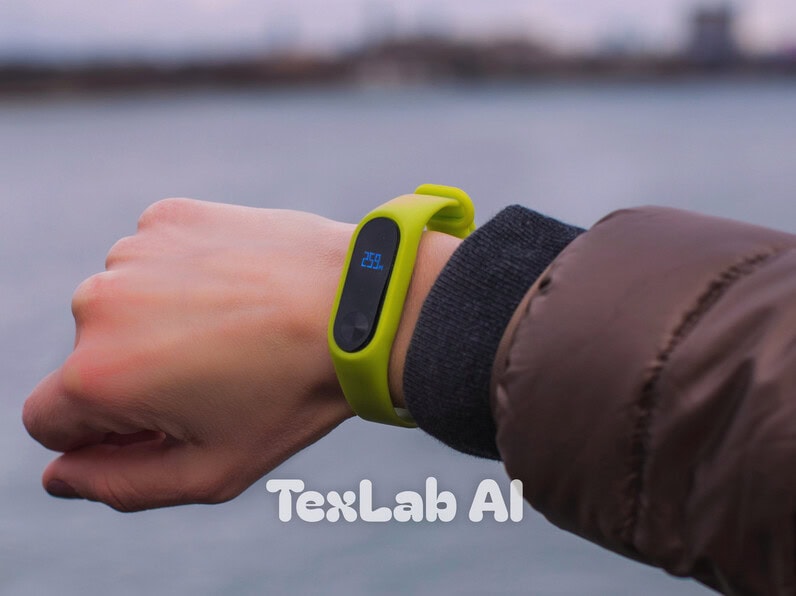
Surface Electromyography (sEMG) is often confused with direct BCI. For instance, Meta’s Neural Wristband does not read brain waves. Instead, it detects electrical activity associated with muscle activation in the wrist and forearm, converting subtle gestures into commands. Because sEMG measures muscle activity rather than brain activity, it should be distinguished from direct cortical BCIs.
Replacing Screens: Hype vs. Scientific Reality
Transitioning away from physical displays presents two distinct challenges:
1. Input (Controlling Devices): What Is Possible Today
Recent BCI research has demonstrated increasingly effective decoding of movement intentions. People with severe paralysis have successfully controlled cursors and generated text using implanted interfaces. However, device input is fundamentally different from replacing visual output.
2. Output (Visual Perception): What Is Not Yet Possible
To eliminate displays, clear visual data must be transmitted directly to the brain’s visual cortex ($V1$). Current visual-cortex stimulation research can produce basic artificial sensations like phosphenes (flashes of light), but high-resolution natural vision remains far beyond current tech. The optic nerve carries signals from roughly one million retinal ganglion cells, illustrating the massive processing challenge involved in reproducing natural vision.
Core Challenges Impacting Adoption
| Challenge | Scientific & Technical Reality |
| Biocompatibility | The body’s immune system can respond to implants with inflammation and tissue scarring, degrading signal quality over time. |
| Signal Blur | Non-invasive scalp sensors face heavy distortion through skin and bone. |
| Privacy & Neuro-Rights | Brain data could expose private health information or intent logs, requiring new legal protections. |
| User Adoption | Healthy consumers will not undergo brain surgery merely for daily convenience. |
The Roadmap: 2030 vs. 2040
- 2030 (The Hybrid Era): One likely trend is the rise of non-invasive input devices—like sEMG wristbands paired with lightweight AR smart glasses. Invasive BCIs will remain focused on medical applications.
- 2040 (Predictive Future): Advanced non-invasive neural sensors and AI context models may allow hands-free, screenless inputs. However, optical displays will likely remain essential for high-density visual information.
Frequently Asked Questions (FAQ)
- Will everyday consumers need brain surgery for future BCIs?
No. Consumer-facing technology will rely on non-invasive sensors like EMG wristbands, EEG earbuds, or smart AR frames. - Can BCIs read private thoughts?
Not in the science-fiction sense. Systems decode specific neural patterns tied to deliberate motor intentions or defined tasks, not subconscious thoughts. - Can we see movies directly inside the brain soon?
No. Delivering high-definition visual imagery directly to the visual cortex is a vastly complex problem that current science cannot solve.
Conclusion
The transition beyond smartphones will not happen through brain implants overnight. The realistic future is a hybrid ecosystem: smart AR glasses on your eyes, an sEMG wristband for subtle gestures, and AI running in the background. While neural technology will make input effortless, physical and optical displays will remain an essential part of our lives for years to come.

Faysal Ahmed is the founder of TexLab AI and regularly writes about AI tools, technology, freelancing, and digital productivity. He has hands-on experience testing AI applications and reviewing online tools.