

Throughout history, technological innovation has played a major role in shaping the economic strength and global influence of nations. From the Industrial Revolution to the digital age, countries have developed their technological capabilities at different rates. While some have built globally competitive industries through sustained investment in research, education, infrastructure, and innovation, others continue to face barriers to developing domestic technological capacity.
Countries such as South Korea and the United States, along with several Nordic nations, have developed strong technology sectors through different combinations of public investment, private enterprise, education, and industrial policy. Meanwhile, many developing countries continue to face challenges in building competitive domestic technology industries. These differences raise an important question: Is technological progress determined mainly by financial wealth, or do deeper structural factors also play a role?
Understanding why some countries lead in technology while others fall behind requires examining more than economic resources alone. Research and development (R&D), education, institutional effectiveness, digital infrastructure, and the ability to turn scientific discoveries into practical products all contribute to a country’s technological progress.
The Roots of Technological Disparity
Technology leadership does not happen by accident. It is the result of deliberate, decades-long national strategies. A nation does not become a global tech powerhouse overnight simply by buying advanced computers or importing foreign software.
Strong technological capabilities depend on a country’s ability to develop, adapt, and commercialize important technologies while maintaining access to international knowledge, expertise, and supply chains. When countries lack these capabilities, they may become more dependent on imported technologies and external expertise. However, this dependence is not necessarily permanent; targeted investment, international collaboration, and effective policies can help build domestic capacity over time.
Innovation Cycle in Leading Nations:
[Sustained R&D Investment] ──> [Strong STEM Education and Skills] ──> [Vibrant Tech Ecosystem] ──> [Greater Technological Competitiveness]
Dependency Cycle in Lagging Nations:
[Underfunded Public Research] ──> [Brain Drain of Talent] ──> [Reliance on Foreign Imports] ──> [Slower Domestic Innovation]
1. Sustained Investment in Research and Development (R&D)
A country’s investment in research and development (R&D), measured as a percentage of its gross domestic product (GDP), is an important indicator of its commitment to innovation. However, technological leadership also depends on research quality, workforce skills, industrial capabilities, access to capital, and the ability to turn discoveries into practical applications.
Technology-leading countries typically combine public and private investment in research and development across fields such as artificial intelligence, biotechnology, advanced materials, and semiconductor technology. Governments often support basic scientific research and high-risk, long-term projects that private companies may be reluctant to fund on their own. Private businesses, in turn, help transform research findings into commercial products, services, and industrial applications. The balance between public funding and private investment varies across countries and industries.
R&D spending varies considerably across developing economies. Some invest relatively little in formal research, while others have increased their investment as part of broader industrial and innovation strategies. Comparing countries using recent, reliable data provides a clearer picture than applying a single percentage to all developing economies. Without adequate funding, research facilities, skilled personnel, and connections between universities and industry, domestic innovators may struggle to test ideas, develop prototypes, and bring new technologies to market.

2. Human Capital and the “Brain Drain” Phenomenon
Technology is ultimately built by people, not machines. Technology-leading countries generally benefit from strong education and training systems that develop scientific knowledge, engineering expertise, digital literacy, and problem-solving skills. STEM education is important, but vocational training, practical experience, and opportunities for continuous learning are also essential for building a skilled technology workforce.
However, many developing countries face brain drain when skilled professionals move abroad in search of better salaries, career opportunities, research facilities, or working conditions. This can reduce the availability of specialized talent at home, although overseas professionals may continue contributing through investment, knowledge sharing, and international collaboration.

The Role of Talent and Research Environment
A country’s technological progress depends not only on the talent of its people but also on the environment in which they work. Skilled engineers and researchers need reliable infrastructure, access to modern tools, opportunities for professional growth, and institutions that support experimentation. When these conditions are limited, talented individuals may seek opportunities abroad. Strengthening local research institutions, offering meaningful career opportunities, and improving access to research funding can help countries retain skilled professionals. International collaboration can also benefit countries when researchers abroad maintain professional connections, share expertise, or contribute to projects in their home countries.
3. Institutional Agility and Regulatory Frameworks
Institutional quality and regulatory predictability can significantly influence a country’s ability to support innovation. When startups face unnecessarily complex licensing procedures, inconsistent rules, or lengthy approval processes, launching new products and attracting investment can become more difficult. Clear regulations, efficient public services, access to financing, and effective protection of intellectual property can help entrepreneurs develop and commercialize new ideas. However, successful innovation also requires appropriate safeguards, and effective regulation does not necessarily mean removing all restrictions.
Comparing Strong and Developing Technology Ecosystems
The following comparison highlights common differences in research investment, talent development, infrastructure, regulation, and collaboration between research institutions and industry:
| Structural Factor | Strong Innovation Systems | Common Challenges |
| R&D Expenditure | Sustained public and private research investment | Limited research funding or facilities |
| Talent Retention | Skilled workforce and career opportunities | Skills gaps and emigration of specialists |
| Infrastructure | Reliable electricity, connectivity, and computing resources | Uneven access to digital infrastructure |
| Regulatory Climate | Predictable rules and efficient public services | Complex procedures or inconsistent enforcement |
| Industry Collaboration | Strong links between universities and businesses | Limited research commercialization |
4. Digital Infrastructure as a Public Utility
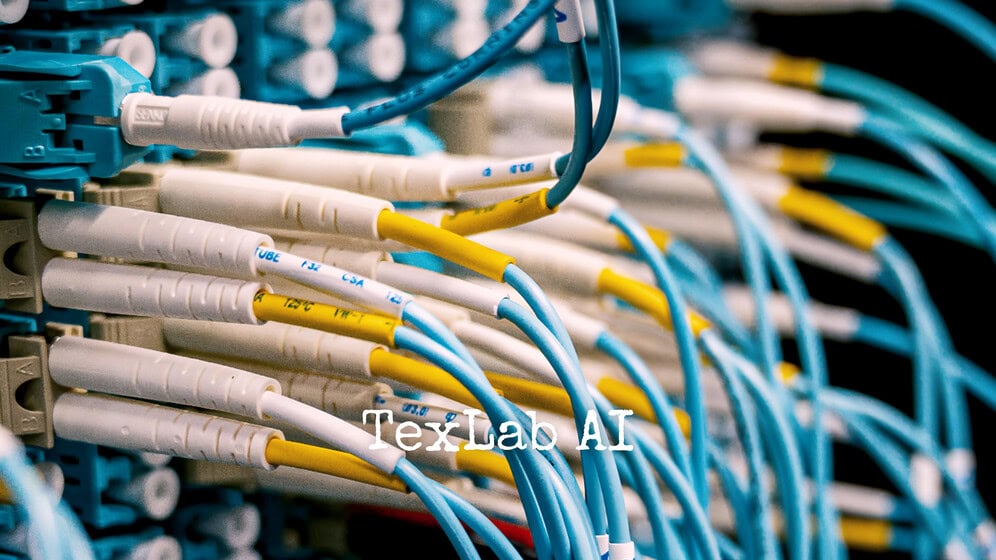
Reliable physical and digital infrastructure is a foundation of modern technological development. High-speed internet, dependable electricity, secure data centers, and accessible computing resources help businesses, researchers, schools, and individuals participate in the digital economy.
When reliable digital infrastructure is unavailable or unaffordable, the benefits of technological progress may be concentrated in wealthier cities and communities. Rural and underserved populations can face greater barriers to online education, digital public services, remote work, and participation in the wider digital economy.
Can Lagging Nations Catch Up?
The global technology landscape is not permanently fixed. Countries can strengthen their technological capabilities through long-term investment, institutional reform, international partnerships, and policies that support innovation.
Priorities may include improving STEM education, expanding access to reliable digital infrastructure, supporting research institutions, making financing more accessible to startups, and encouraging collaboration between universities and businesses. Countries can also learn from international experience while adapting successful policies to their own economic and social conditions.
Although progress takes time, a consistent strategy can help countries move from relying primarily on imported technologies toward developing and exporting more sophisticated products and services.
Related Guide: Discover how advanced AI architectures are evolving beyond traditional software by reading our guide on how world models could transform spatial AI.
Conclusion: The Choice Between Innovation and Dependency
Technological leadership is shaped by more than financial wealth. Sustained investment in research and development, strong education systems, reliable infrastructure, effective institutions, and collaboration between universities and industry all contribute to a country’s ability to innovate.
Countries that face technological challenges are not necessarily destined to remain dependent on foreign technologies. By investing strategically in local capabilities, supporting skilled professionals, improving the business environment, and building international partnerships, they can gradually strengthen their position in the global technology economy.
Ultimately, the goal is not for every country to produce every technology independently. It is to develop the knowledge, skills, and institutional capacity needed to adopt, adapt, and create technologies that support long-term economic development and resilience.
Related Guide: To explore some of the breakthrough innovations driven by global research, read our breakdown of 10 incredible technologies scientists are building right now.
Frequently Asked Questions (FAQ)
1. Is financial wealth the only reason why certain countries lead in technology?
No. Financial resources are important, but they do not guarantee technological leadership. Countries also need skilled workers, effective institutions, research infrastructure, access to investment, and policies that support innovation. South Korea, for example, developed substantial technological capabilities through long-term investment in education, industrial development, research, and export-oriented industries.
2. What is “Brain Drain” and how does it affect technology development?
Brain drain occurs when skilled professionals, including scientists, engineers, and researchers, move abroad to pursue better career opportunities, salaries, or research facilities. It can reduce the availability of specialized talent in their home countries. However, overseas professionals may also contribute through research partnerships, investment, knowledge sharing, and eventual return migration.
3. How can developing countries improve their technological standing?
Developing countries can strengthen their technological capabilities by improving education and technical training, investing in research and digital infrastructure, supporting startups, expanding access to finance, and encouraging collaboration between universities and businesses. They can also learn from international best practices while adapting policies to their own economic conditions and development priorities.

Faysal Ahmed is the founder of TexLab AI and regularly writes about AI tools, technology, freelancing, and digital productivity. He has hands-on experience testing AI applications and reviewing online tools.